





Learn how to make a comfrey poultice with fresh comfrey – it is a great way to support minor skin issues, irritations, bruises, and more.
Just recently, I had a good friend that bruised his leg at the hardware store picking up wood for custom projects. It was a huge piece of oak that fell and bruised his leg quite horribly.
It hurt.
And it was a very large, painful area.
It was the kind of pain you wince at but you can’t cry about it because you are in public. It was the worst kind of hurt you could ever imagine.

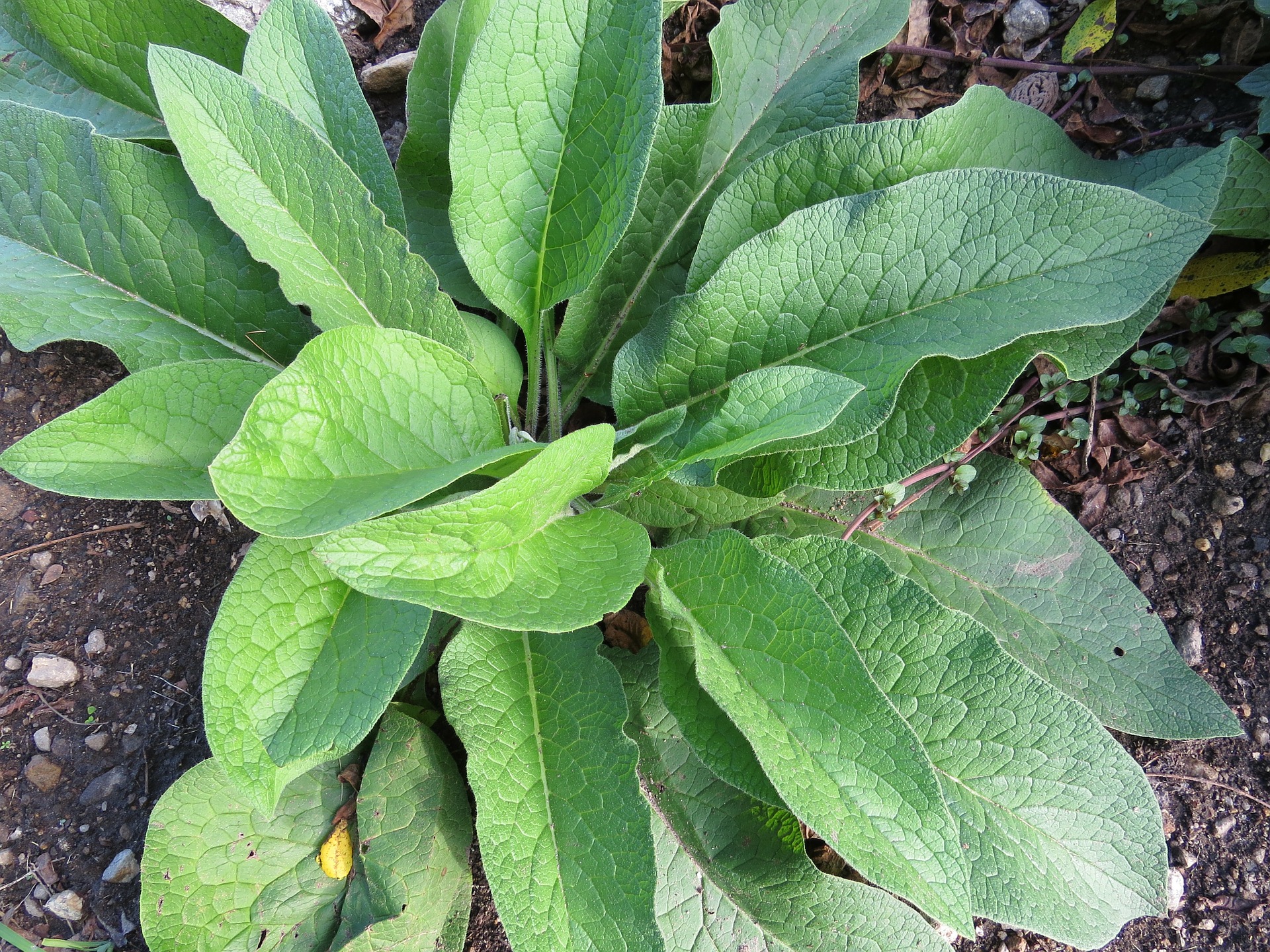
That whole event inspired me to whip up some comfrey poultices. Comfrey is something i grow in my garden… so I headed out to cut some leaves and get busy. I wanted to make several of them to make sure that over the next week, he had enough poultice to treat the gash in his leg.
I whipped up a bunch of comfrey poultices and threw them in the freezer. While using comfrey fresh is preferred, having them pre-made in the freezer is a huge asset when you need one quickly.
How to Make a Comfrey Poultice
To make a comfrey poultice that you can use fresh or freeze for later use, you’ll want to grab the following items:
- comfrey leaves
- gauze pads
- blender or immersion blender
- cutting board and knife
- arrowroot flour or regular all purpose flour
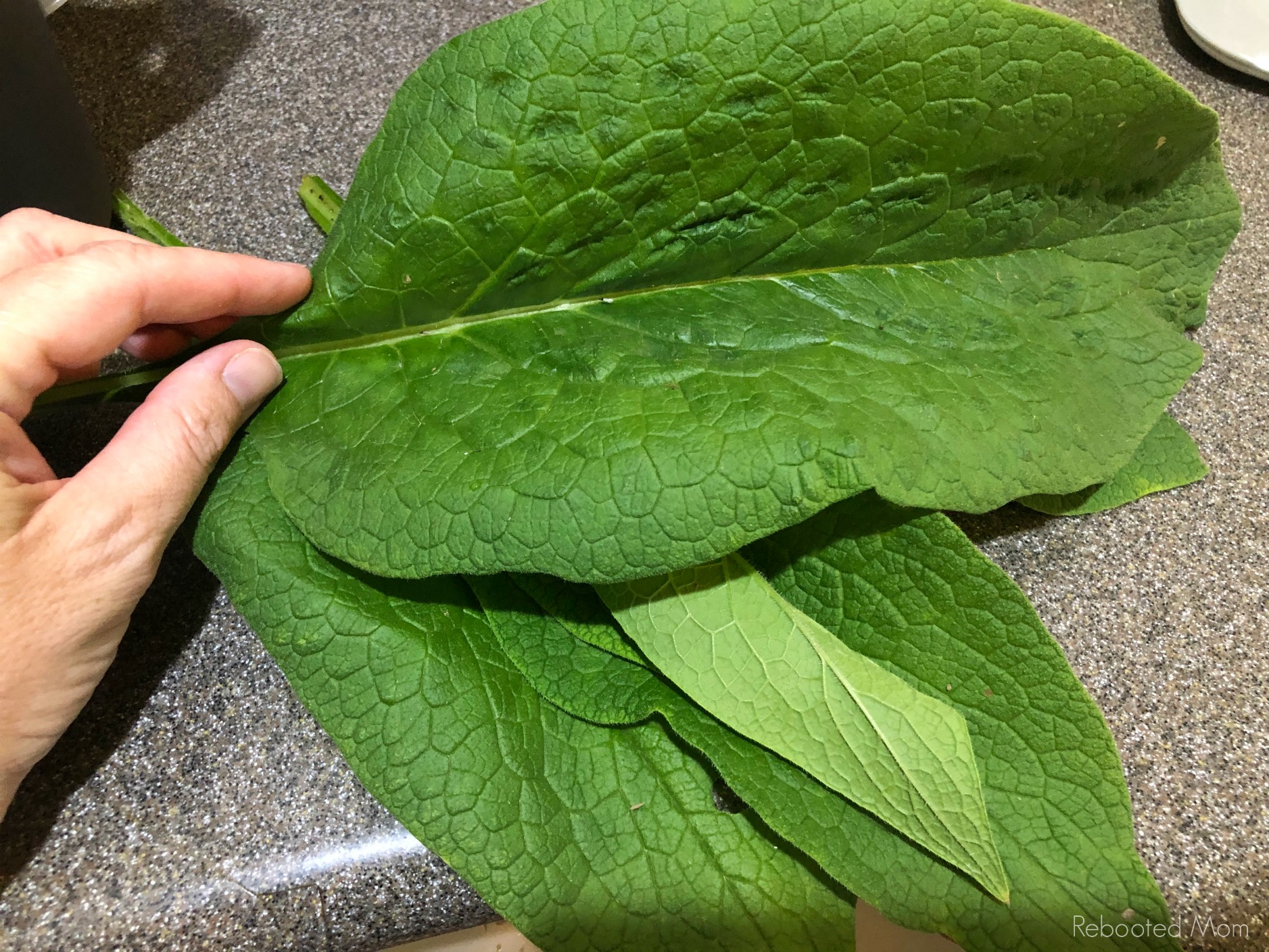
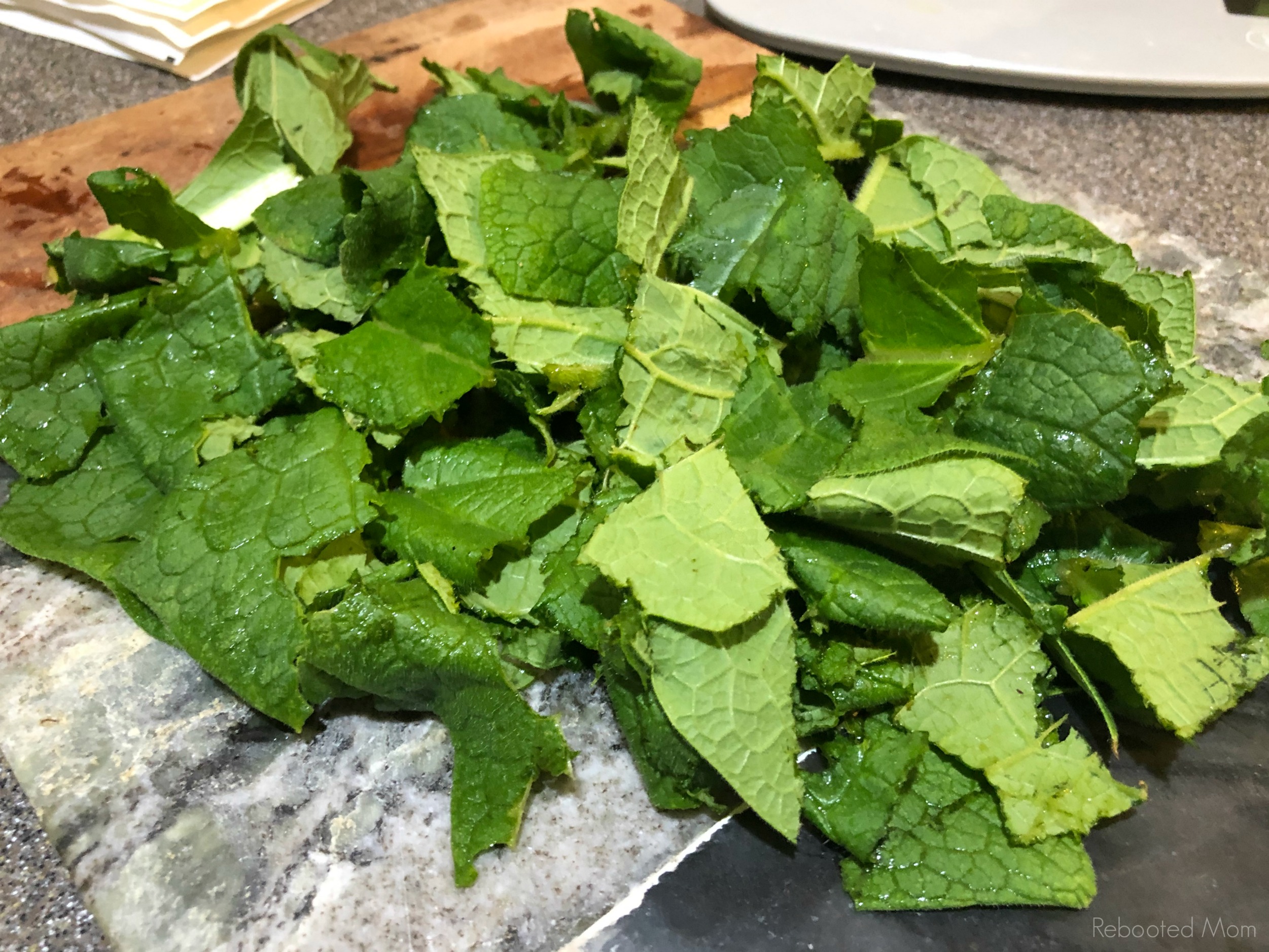
Once you pull 5-6 comfrey leaves, rinse under cool water and pat dry. Then, lay the leaves on your cutting board and roughly chop them.
Add them to your blender (or, put in a glass jar if you are using an immersion blender). Add 1/4 – 1/2 C. water, and a small amount (tsp) of arrowroot flour or all purpose flour to thicken up the mixture.
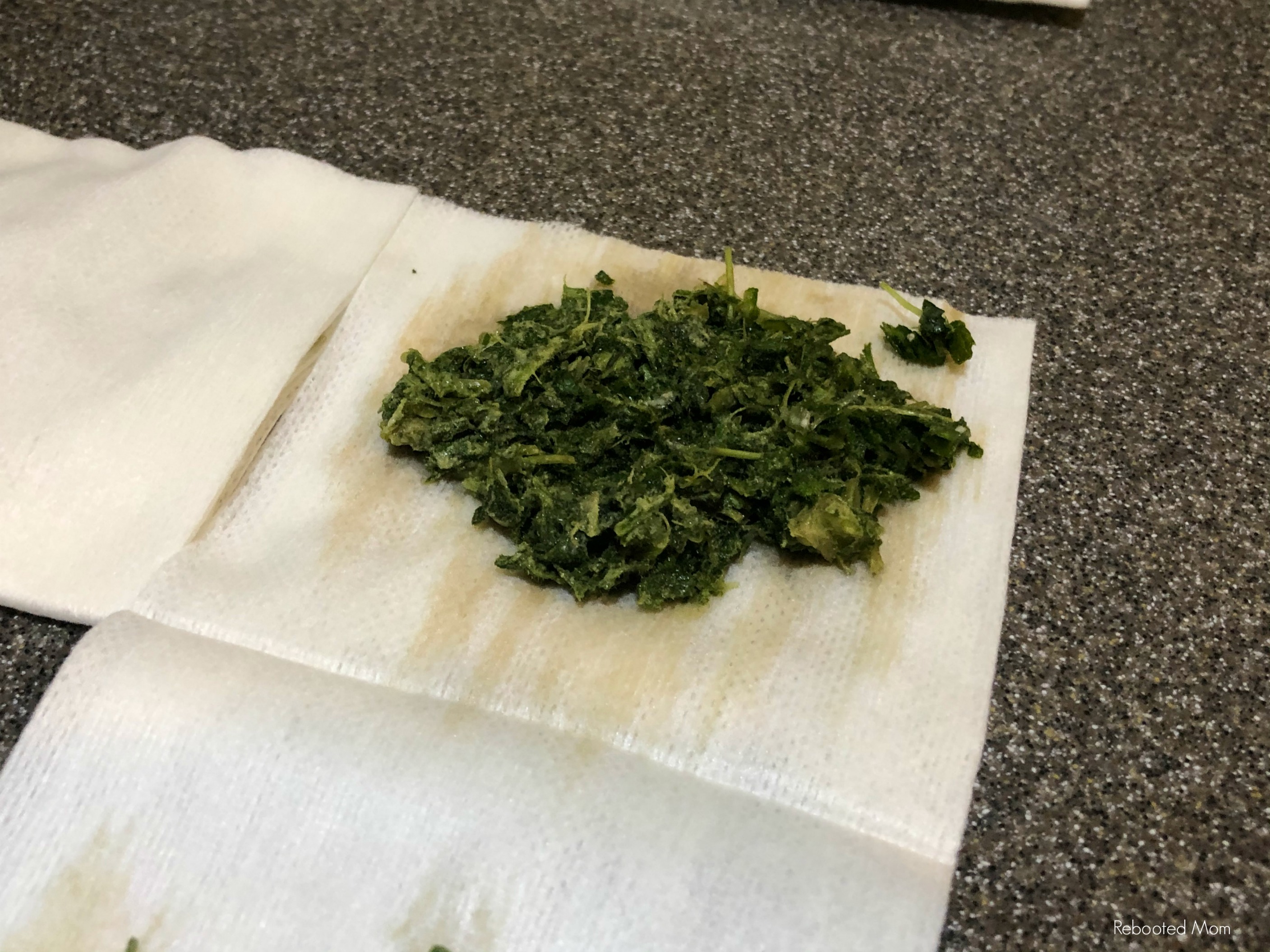
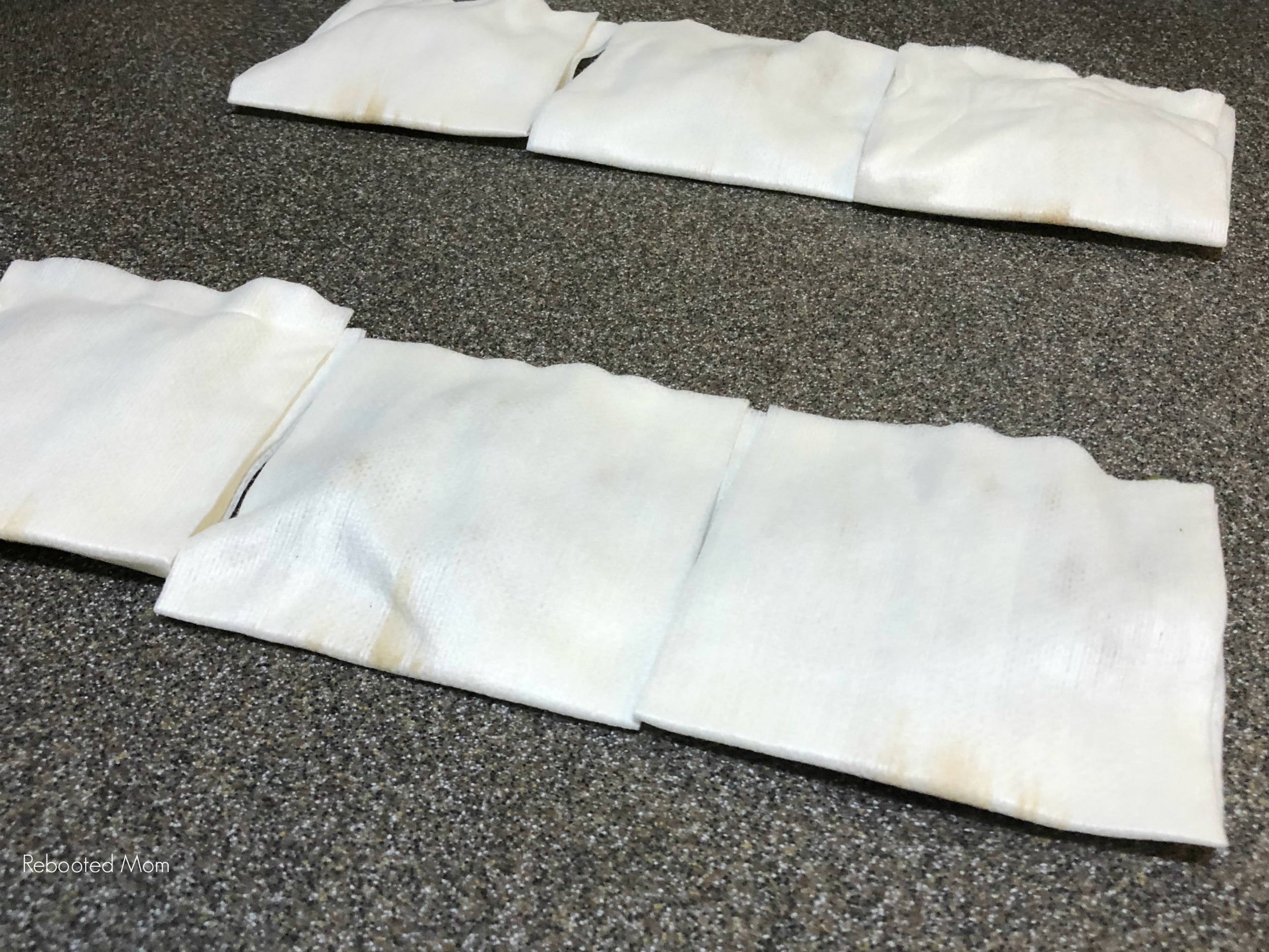
Blend it all up and make a paste. Then open up all of your gauze pads and place a small spoon of comfrey paste on each one. Close up the gauze and place them in the freezer for 2-3 hours.
When you need a poultice, remove from the freezer and allow your body heat to thaw it out as it treats your wound/bruise/cut.
Using a Comfrey Poultice
Whether fresh or frozen, using a comfrey poultice is similar. Place the poultice on the affected area you wish to treat (bruise, sprain, cut, sting).
You can roll a piece of gauze around the poultice or top with a waterproof pad and follow up with a quick wrap with gauze so the pad doesn’t move around.
Safety Precautions when using Comfrey
While comfrey has been around for thousands of years and used both internally and externally, it doesn’t come without precautions.
Comfrey is an excellent healer for wounds, skin issues, bruises and even joints. It helps to speed healing and encourage new skin and cell growth. While it has historically also been used internally, it can in some cases cause liver damage when taken that way.
It’s best to err on the side of caution and avoid using comfrey internally. You might also want to avoid using it on an open wound as it can also seep into your blood stream.
Avoid using comfrey on small children as well, as their little bodies have a more difficult time processing things than do our adult bodies.
Where to Buy Comfrey
It’s best to grow comfrey yourself – but if you don’t have the ability to do that, you can buy comfrey root cuttings online or places like Etsy.
You’ll want to check your area to see if anyone is offering comfrey roots nearest to you. If not, hop on Etsy and shop there for comfrey root cuttings that you can plant and watch grow.
Comfrey Poultice
Equipment
- blender
- cutting board
- knife
Ingredients
- 5 ea comfrey leaves
- 1 tsp arrowroot flour or all purpose flour
- 1/2 C water
Instructions
- Rinse your comfrey leaves under cool water. Pat dry.
- Place the comfrey leaves on a cutting board and roughly chop with a knife.
- Pick up the chopped leaves and put in your blender. Add 1/2 C. water (or just enough to cover) and the arrowroot flour. Blend it all up and make a thick paste.
- Lay open your gauze pads and in assembly line fashion drop a spoonful of the comfrey paste on each one. Once done, fold the gauze over and place them in a freezer container in your freezer. (It helps to have a piece of wax paper between!)
- When a comfrey poultice is needed, simply remove from the freezer and allow your body to heat up the poultice as it treats the affected area. You'll want to cover the poultice with a waterproof gauze and wrap to prevent the poultice from moving around.
- Change the poultice every few hours.
Looking for more ways to use your comfrey? Check out this easy Comfrey Herbal Salve that you can whip up at home for skin support.

Do you open the poultice for comfrey directly on skin?
Yes.
You didn’t mention broken bones. Which is better a poultice or compress?
I have read that a compress is better — but then I think that will largely depend on each person’s opinion. I prefer a compress personally, than a poultice, and the research I have done in the past has shown that (in most cases) a compress speeds up the healing process of broken ligaments by 1/3 of the regular time (if not more). I hope that helps you Stefani.
Sure I understand the difference here. The difference between a compress and a poultice. I’m using a poultice with an Ace bandage wrapped around it for a broken heel. I’m not understanding compress versus the poultice, why not both?